
BTS: From Brief to Final Assets
A finished food photograph can look effortless. The light is beautiful. The food looks perfect. The styling feels natural. Everything is exactly where it should be. But what you don't see in the final image is everything that happened before I pressed the shutter.
From the initial brief and creative direction to recipe development, prop sourcing, styling, shooting, editing and delivering the final assets, there is a lot that goes into creating commercial food photography.
So, I thought I'd take you behind the scenes and show you what the process actually looks like, from brief to final assets.
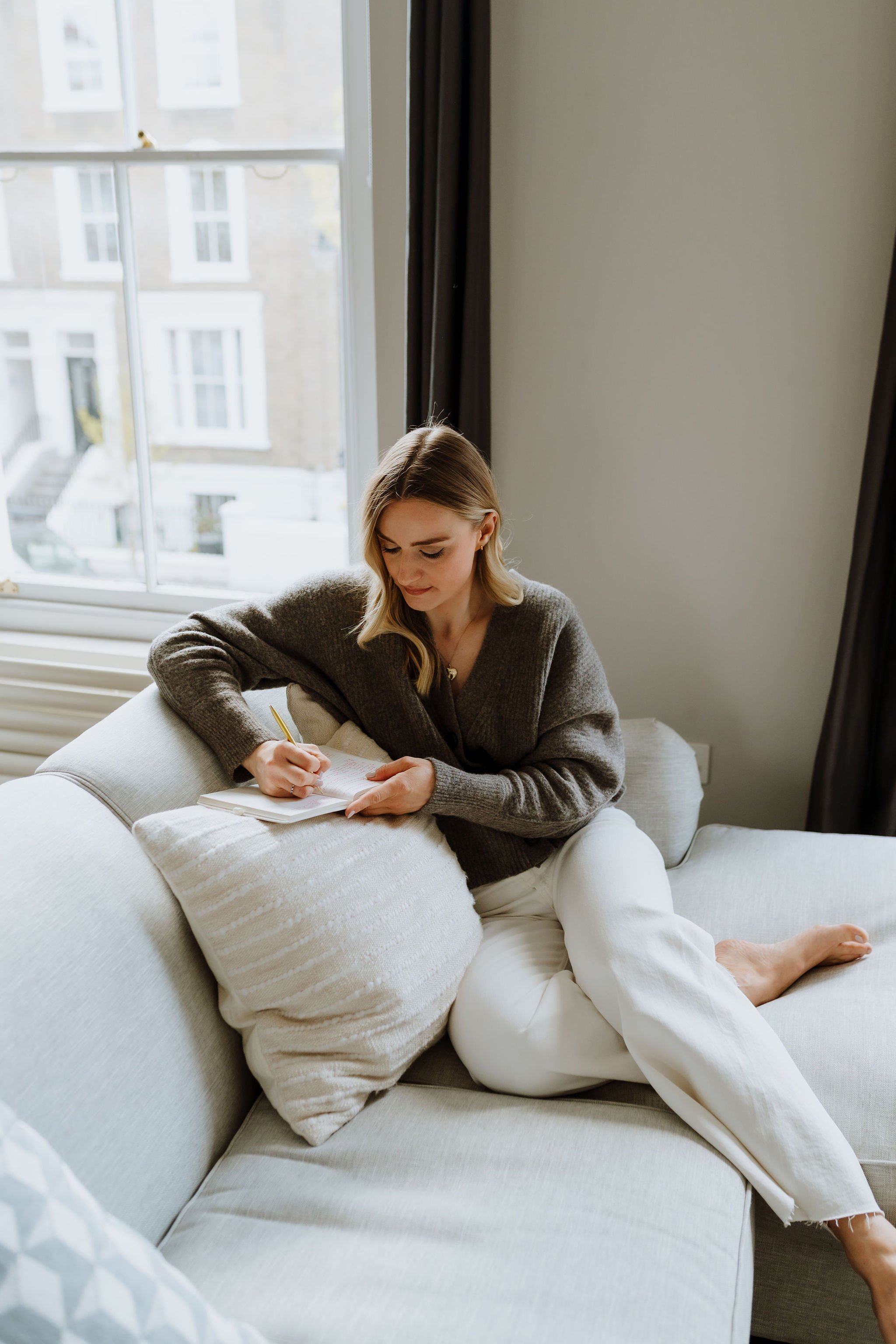
1. It starts with the brief
Before I think about cameras, props or recipes, I want to understand the brand.
What are we trying to achieve?
Who are we speaking to?
Where will the content be used?
What does the brand already look like?
And, importantly, what does success look like?
A brief might be as simple as:
“We need six recipes for autumn social content.”
But that opens up a lot of questions.
Do the recipes need to be quick and easy?
Are they designed for Instagram reels?
Do we need finished hero imagery?
Should the content feel editorial, rustic, modern or more UGC-inspired?
Are there specific products that need to be front and centre?
This is why I always suggest we jump on a quick 15-20 minute discovery call (which you can book here) to chat through your vision in more detail. Usually, the brief becomes clearer and more concise once we’ve spoken in depth about what you’re after, and once I understand the bigger picture, I can start turning the brief into a creative direction.
2. Turning the brief into an idea
This is one of my favourite parts of the process. I'll take the client's objectives and start thinking about how we can make the content feel visually interesting while still being commercially useful.
I'll look at:
the brand's existing visual identity
current food and social trends
the target audience
seasonal opportunities
recipes and serving ideas
composition and styling
photography references
video opportunities
I'm looking for that sweet spot between what the brand needs and what people actually want to look at. Because beautiful content is great, but beautiful content that works for the brand is better.
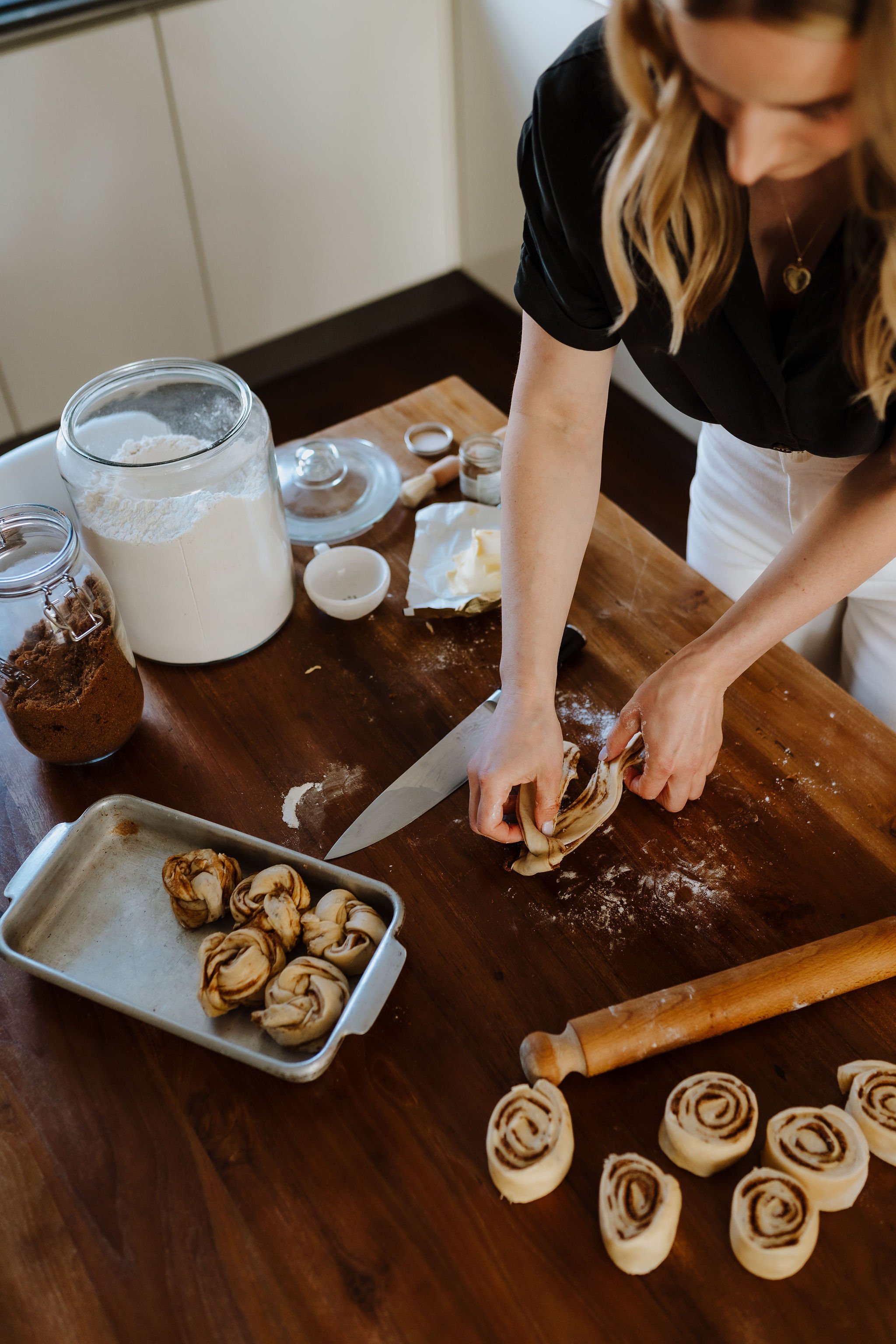
3. Recipe development
For recipe-led projects, the recipe is just as important as the photography. I want something that tastes great, looks great on camera and makes sense for the audience. I'll think about everything from the ingredients and method to the final styling.
Will it have enough colour?
Does the finished dish have a good texture?
Will it hold up under lights?
Does it have a satisfying “cut into” moment?
Can we create a strong overhead composition?
Are there opportunities for close-up or macro video?
Sometimes the simplest recipes make the strongest assets when shot in the right way.
4. Creating the shot list
This is where the shoot starts becoming much more strategic.
I'm not just thinking:
“What photograph do we need?”
I'm thinking:
“What assets can we create from this production?”
For one recipe, that might include:
Hero image
The main finished-dish photograph.
Detail shots
Texture, ingredients and those little delicious moments.
Process imagery
Hands, ingredients, preparation and cooking.
Vertical video
Short-form footage designed for reels, TikTok and other social platforms.
Product shots
The branded product clearly integrated into the content.
Lifestyle imagery
The recipe within a more natural, human setting.
The aim is to make every part of the shoot work harder.
5. Props, surfaces and styling
One of my most valuable parts of the process is where I start pulling together the visual world around the food. This includes surfaces, plates or bowls, cutlery, linens, glassware, ingredients, and any additional styling details that build your food story.
I don't want the props to compete with the food. They should support the story and help create the feeling we're after. Sometimes that means beautiful vintage ceramics and linen. Sometimes it means something much cleaner and more contemporary. And sometimes the best styling choice is simply less.

6. Shoot day
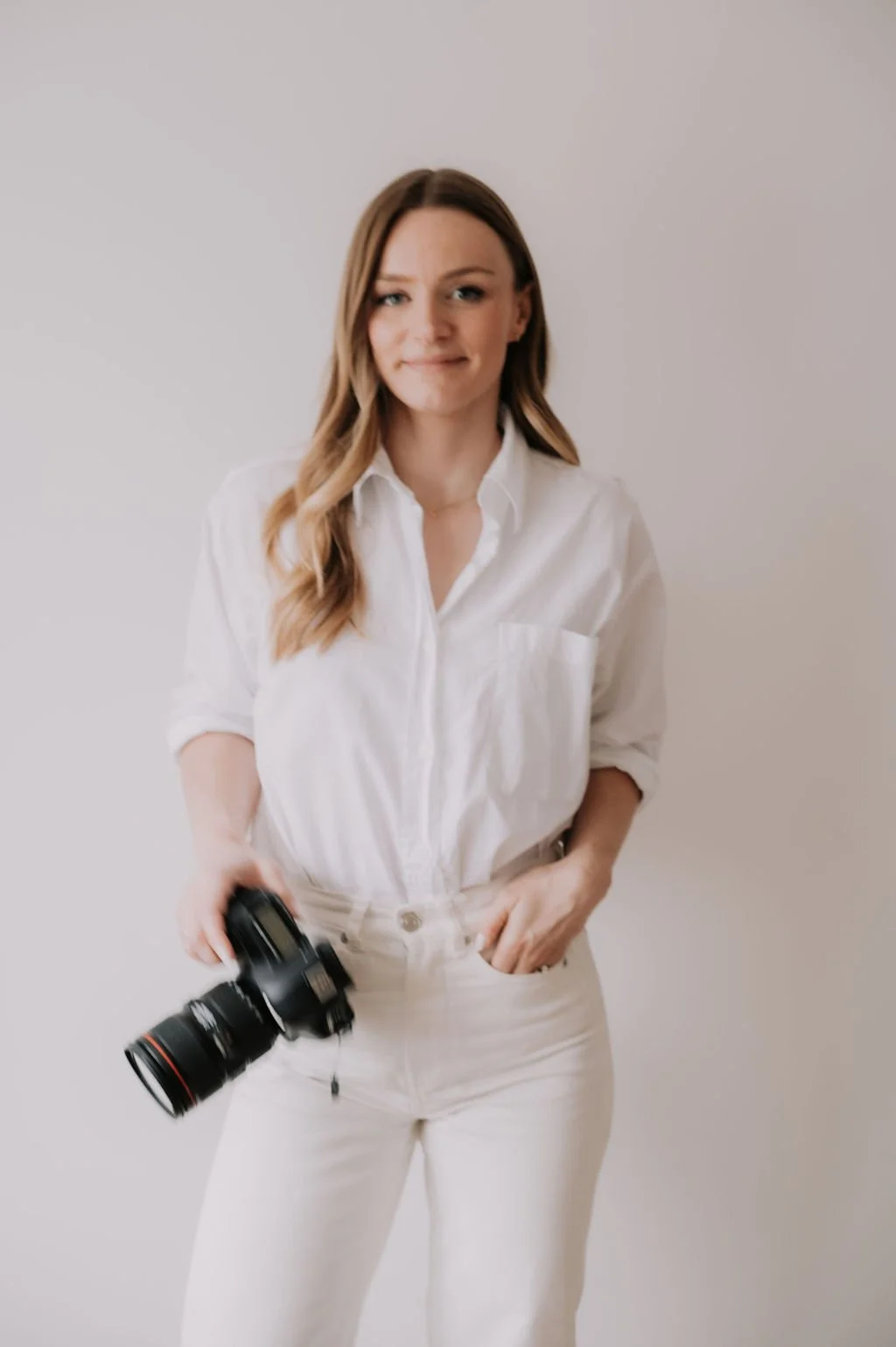
This is where all the planning comes together. And while there is a lot of preparation behind the scenes, a shoot can still be quite fluid. Food changes. Light changes. Something that looked brilliant in the plan might look even better once it's in front of the camera. I'll work through the shot list while looking for those unexpected moments too.
The perfect crumb.
A little drip of sauce.
Steam coming off the food.
A hand reaching into frame.
A broken piece of chocolate.
Crumbs falling onto the table.
Those are often the moments that give the final content its personality. Most of my clients allow me creative control, and trust my process and experience to create, while I remain true to the original brief, mood board and shot list.
7. Shooting stills and video together
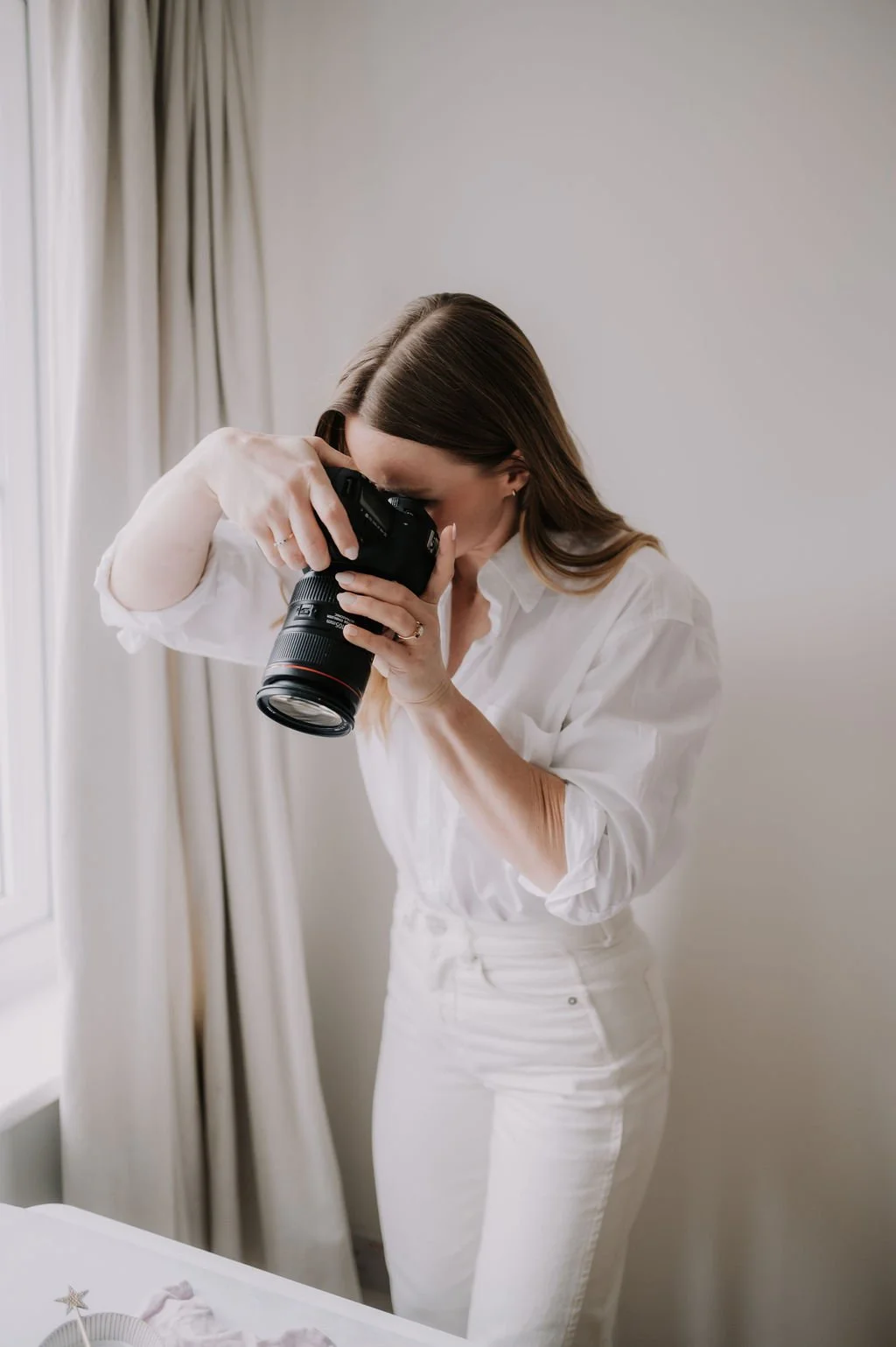
For many commercial shoots, I'm thinking about photography and video simultaneously. I'll build movement around the still image rather than treating video as a completely separate production.
That might mean capturing:
pouring
drizzling
slicing
spreading
mixing
breaking
sprinkling
pulling apart
serving
tasting
The key is making sure we capture enough footage to tell a story while keeping the final content visually consistent with the photography.
8. The part you don't see: editing
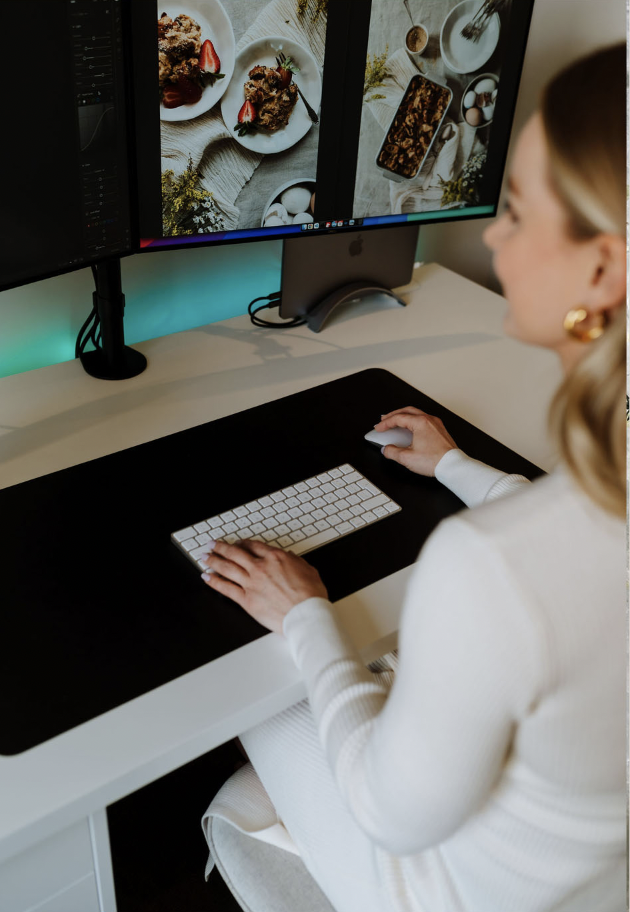
Once the food has been eaten and the studio has been packed away, the shoot isn't finished. This is when I start working through the images, and cull the shoot to make an initial selection. From there, I refine the edit and then start colour correcting and retouching.
My approach is always to keep food looking real, delicious, relatable and natural. I don't want to remove every crumb or make a cake look artificially perfect. The goal is polished commercial photography that still has texture, character, personality and appetite appeal.
For video, I'll edit the footage into short-form assets with the same attention to pacing, cutting, composition and detail.
9. Creating the final asset library
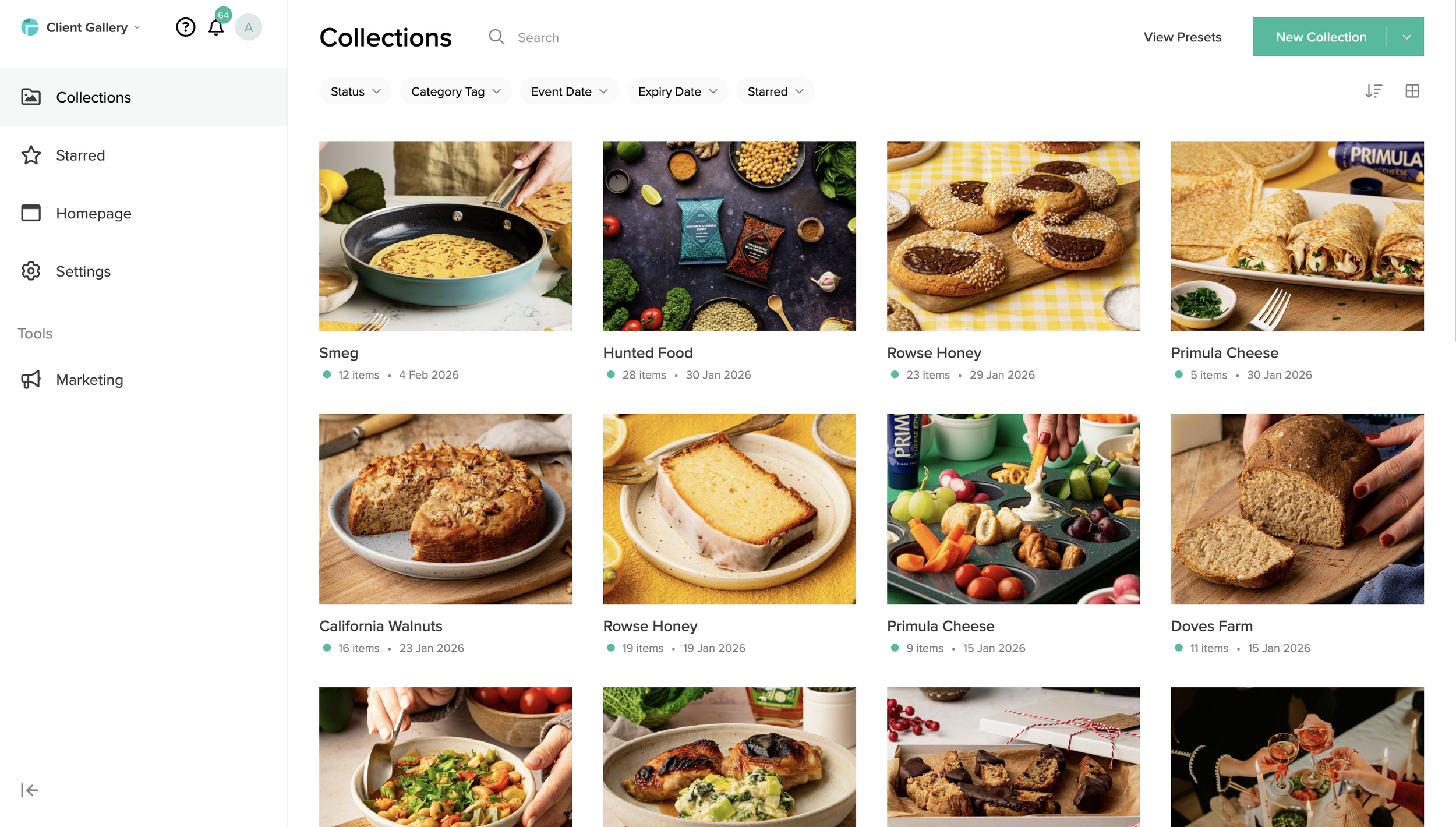
This is where I think a good shoot really comes into its own. As my client, you’ll receive a PIN-protected gallery or ‘content library’ of all your assets, which give you content that can be used across multiple touchpoints.
10. Making sure every asset has a purpose
One of my biggest considerations when producing commercial content is where the final assets are actually going to be used. An Instagram reel has different requirements from a website banner. A paid social ad needs something different from an editorial image. Pinterest might need a completely different crop. And sometimes a brand needs plenty of negative space for copy.
Thinking about this before the shoot means I can make sure we're capturing the right compositions and formats from the start. It's a small change in thinking, but it can make a huge difference to the value of the final shoot.
So, what does a food photography shoot actually involve?
The final photograph might take up a single square or reel spot on your Instagram feed. But behind that image is a process involving creative direction, recipe development, planning, styling, photography, videography, editing and asset delivery. And that's what I love about commercial food photography. It's not simply about making something look pretty. It's about taking a brand's brief and turning it into content that feels beautiful, considered and genuinely useful.
From the first conversation to the final gallery, every part of the process is about creating assets that make people stop, look, feel hungry, and ultimately connect with the brand.
That's the bit you don't see in the final image.
But it's the bit that makes all the difference.
