
Why Food Brands Need Video in 2026
If there’s one thing that’s changed dramatically in the last few years of food content, it’s the rise of video. Beautiful photography will always have its place. It’s timeless, versatile, and essential for websites, packaging and editorial features. But in 2026, brands that want to truly connect with their audience are increasingly turning to video as well. Platforms like Instagram, TikTok and Pinterest are prioritising motion-led content, and audiences are naturally drawn to the movement, texture and storytelling that video offers.
Food, in particular, comes alive through motion. The swirl of cream into coffee, a drizzle of honey over warm toast, steam rising from a freshly baked cake. These are moments that instantly create a sensory connection. While a photograph captures a single moment beautifully, video allows brands to show the experience of food: the preparation, the textures, and the atmosphere surrounding it. That extra layer of storytelling can turn a simple dish or product into something far more memorable.
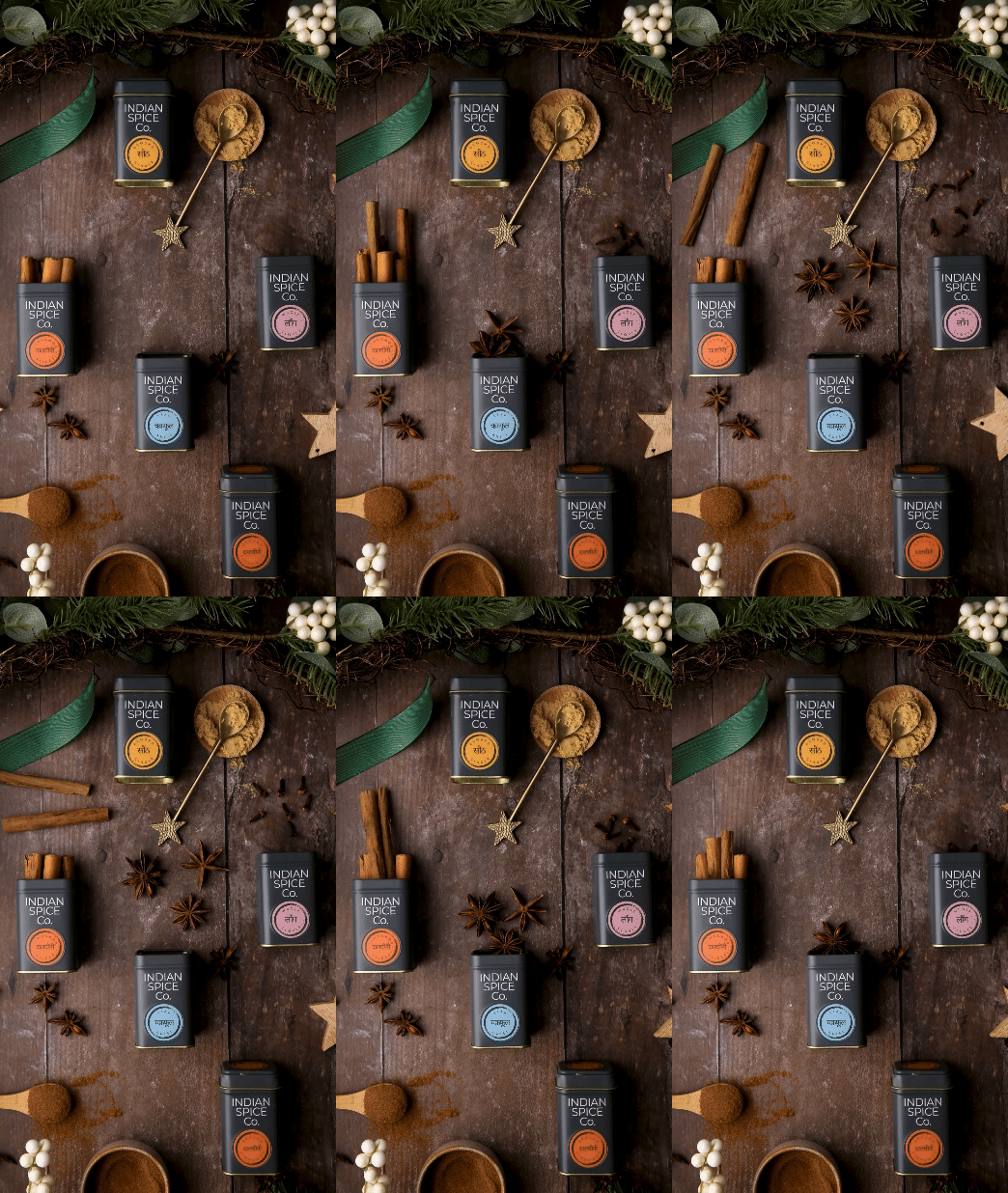
Shot for the Indian Spice Co
Movement Sells Food
One of the biggest advantages of video is that it showcases texture and movement – two things that make food irresistible. Think about the difference between seeing a still image of melted chocolate and watching it slowly pour over a dessert. Movement gives viewers a sense of anticipation and indulgence that still imagery simply can’t replicate on its own.
Short-form videos are particularly powerful for food brands because they highlight these sensory details quickly. A few seconds of pasta being tossed in sauce, a cocktail being shaken, or butter melting over pancakes can instantly capture attention while scrolling. In a crowded digital space, that small moment of motion can be the difference between someone pausing to watch or scrolling straight past.
The Power of Reels, TikTok and Social Video
Social platforms are increasingly built around video-first content. Instagram Reels, TikTok and short-form video across multiple platforms have changed the way people discover food brands, recipes and products.
For brands, this means video is no longer just an “extra” piece of content. It’s often the format that drives the most reach and engagement. A well-crafted 10–20 second clip can be repurposed across multiple platforms, used in paid ads, or shared as part of a wider campaign. The same footage can often be edited into several variations, giving brands a flexible library of content to work with.
Video also performs exceptionally well in advertising. Motion naturally draws the eye, making video ads more effective at stopping the scroll and capturing attention within the first few seconds.
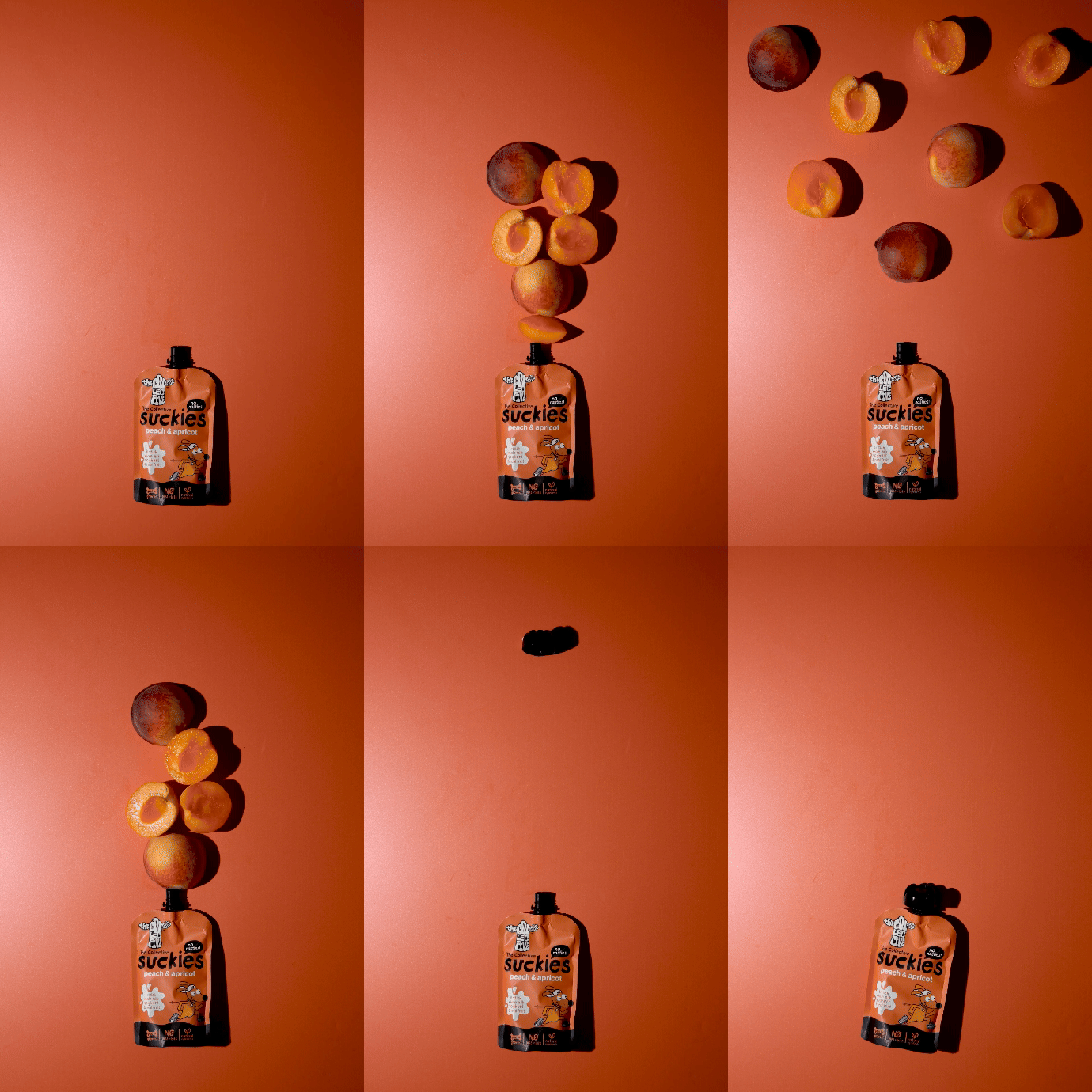
Shot for a personal project
Behind-the-Scenes Storytelling
Another reason video is so valuable is its ability to show the story behind a brand. Consumers are increasingly interested in the process, people and craftsmanship behind the food they buy.
Short behind-the-scenes clips can bring viewers into the kitchen, the bakery, or the studio. They might show ingredients being prepared, products being styled, or the final touches being added to a dish. These moments feel authentic and human, helping brands build a deeper connection with their audience.
Even simple clips – hands plating a dish, flour being dusted across a surface, or a recipe coming together step by step – can make audiences feel like they’re part of the process.
Why Photography and Video Work Best Together
While video is growing rapidly, it doesn’t replace photography. The strongest content strategies use both. Photography provides the polished hero images that work beautifully for websites, packaging, menus and press features. Video complements these visuals by adding movement, atmosphere and story.
Creating both photography and video during the same shoot allows brands to build a cohesive visual library. The colours, styling, lighting and mood remain consistent across still images and moving footage, giving the brand a unified look across all platforms.
For many brands, this approach also makes content creation more efficient. Capturing both formats during one shoot can produce a wide range of assets: hero images, social posts, short-form videos, and advertising clips, all from the same creative concept.
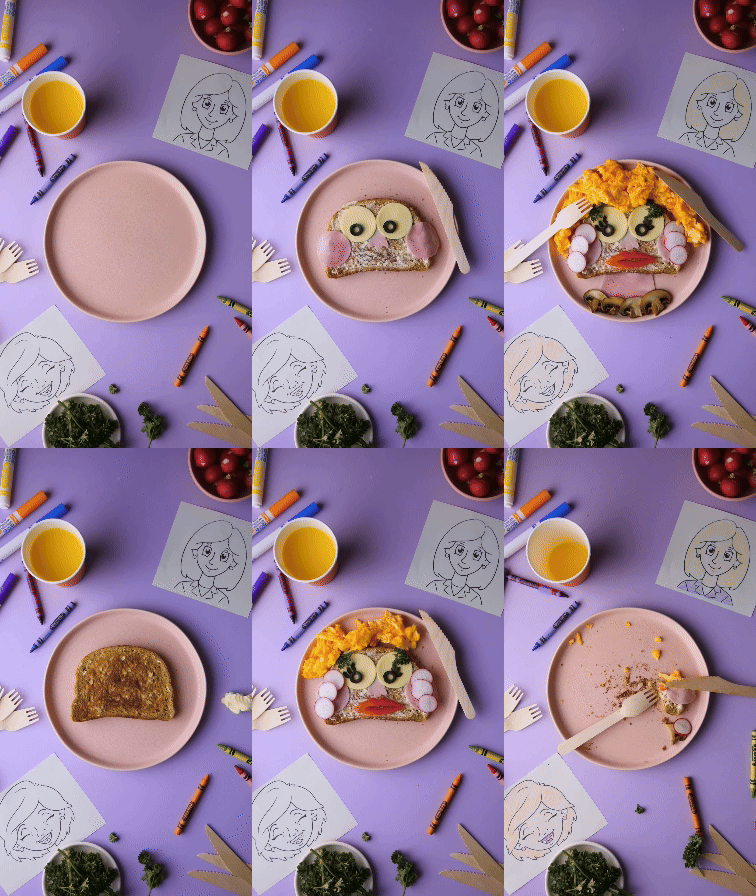
Shot for Milk & More
Looking Ahead
As digital platforms continue to evolve, the role of video in food marketing will only grow. The brands that stand out are those that combine strong visuals with thoughtful storytelling, showing not just what their food looks like, but how it feels, moves and comes to life.
For food brands, investing in both photography and video is no longer just about keeping up with trends. It’s about creating content that captures attention, communicates quality and tells a story worth sharing.
If you’ve been thinking about exploring more video content as part of your strategy, you can explore my services below to see how I can help bring your food story to life.
