
The Art of Editorial Food Photography
In a world where we are constantly surrounded by images of food, the photographs that truly stand out are rarely just about the recipe itself. The most memorable food imagery creates a feeling: a sense of place, a moment, a lifestyle.
Premium food photography is about more than making something look delicious. It is about storytelling, atmosphere and creating a visual identity that connects with an audience.
Whether it is a beautifully styled campaign for a food brand, a seasonal recipe collection, or social media content designed to inspire, the strongest images combine thoughtful styling, intentional composition and a clear creative direction.
So what makes food content feel elevated?
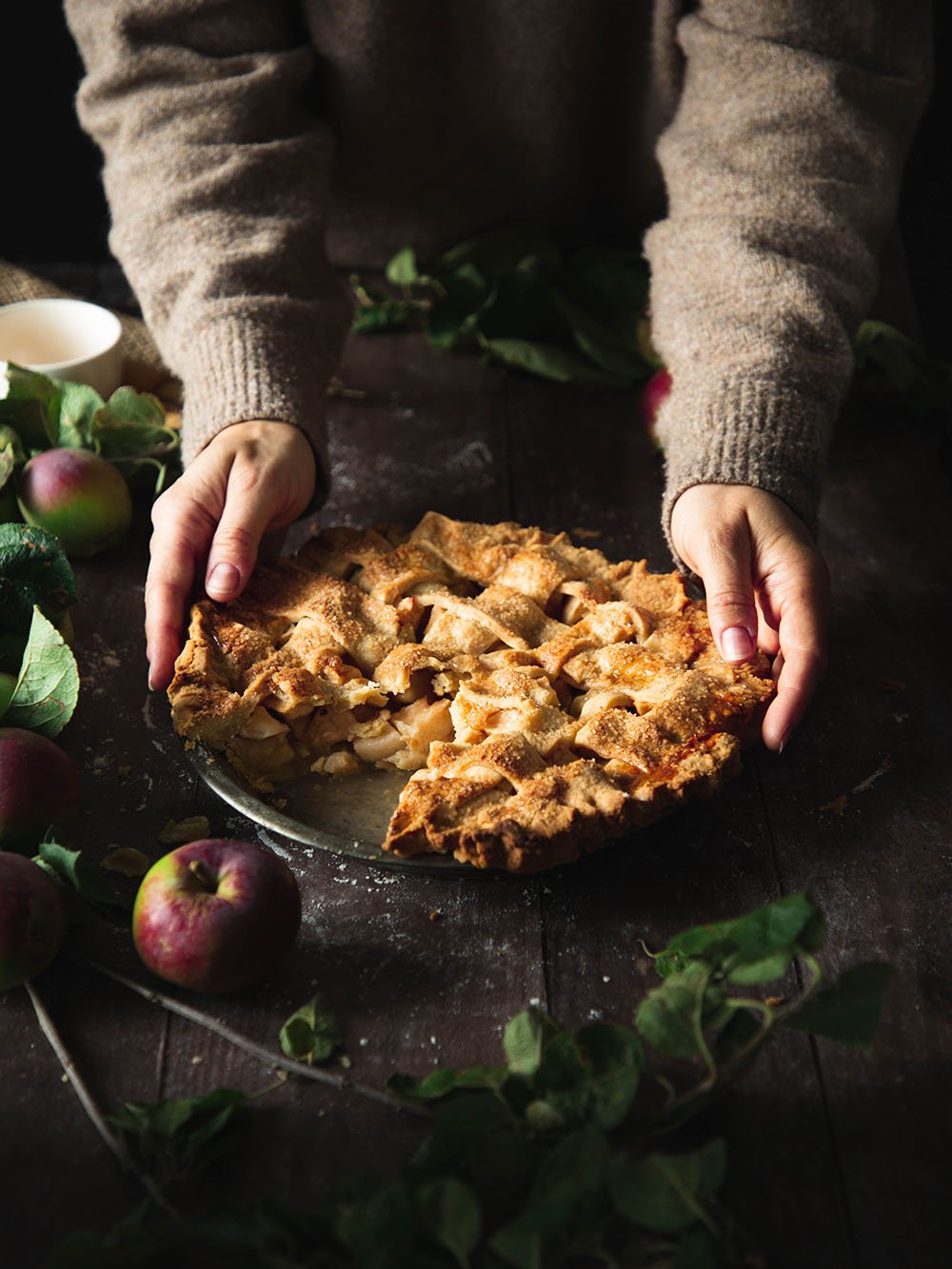
Lighting: Creating mood and atmosphere
Lighting is one of the most important elements in creating premium food photography.
Beautiful food photography rarely relies on harsh, flat lighting. Instead, editorial images often use soft, natural light to create depth, warmth and atmosphere.
Window light is a favourite for food photography because it naturally highlights texture, like the golden crust of pastry, the shine of a glaze, the softness of whipped cream or the richness of chocolate.
The direction of light also changes the story an image tells.
Backlighting can create a beautiful glow through translucent ingredients such as fruit, drinks or sauces. Side lighting (like in the image above) creates shadows and depth, making the scene feel more tactile and dimensional.
The goal is not simply to show the food clearly. The goal is to make the viewer imagine being there.
A slice of cake on a plate becomes a slow afternoon with coffee. A bowl of fresh fruit becomes a summer morning. A warm loaf becomes a moment of comfort and connection.
Colour palettes: Building a recognisable visual identity
Luxury food photography often feels cohesive because of a carefully considered colour palette.
Rather than adding lots of competing colours, editorial styling usually focuses on a small selection of tones that complement the food and reinforce the mood.
For example:
Warm neutrals create a feeling of timelessness and craftsmanship
Soft greens and natural textures suggest freshness and seasonality
Rich berry tones feel indulgent and nostalgic
Creams and delicate pastels create a sense of elegance
Colour choices can also communicate a brand’s personality.
A rustic, ingredient-led brand might lean into earthy tones, linen textures and natural materials. A more modern brand might use cleaner backgrounds, bold contrasts and minimal styling.
The most successful food photography feels intentional, where every colour has a purpose.
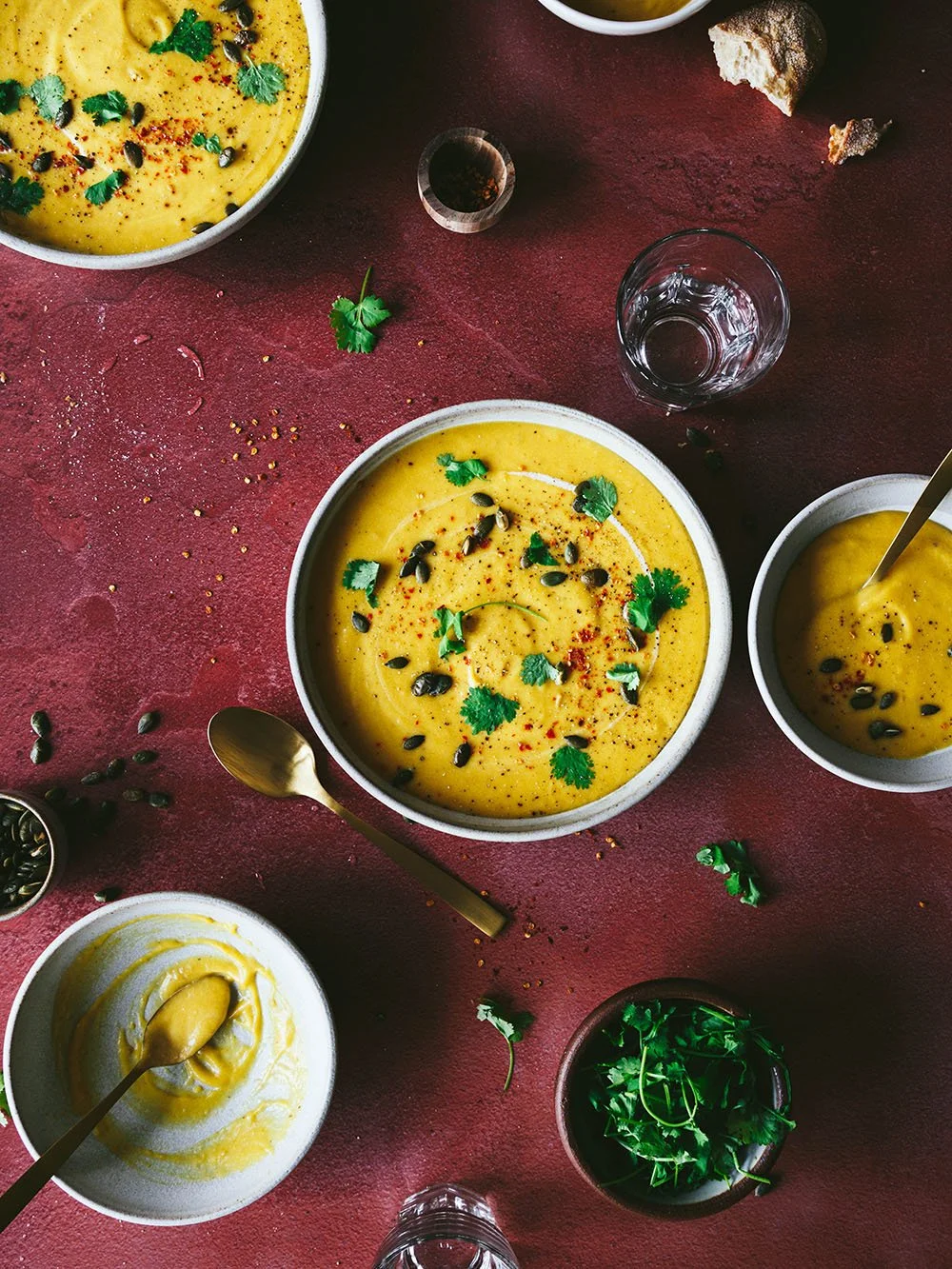
Texture: Making images feel tangible
One of the reasons editorial food images feel so inviting is because they engage the senses.
A viewer should almost be able to feel the image.
Textures add depth and create a more immersive experience:
A linen cloth adds softness
A wooden surface brings warmth
Handmade ceramics create authenticity
Flaky pastry suggests craftsmanship
Fresh herbs and fruit add natural movement
Crumbs and imperfections create a sense of reality
The best food photography does not feel overly perfect. It feels considered but lived in.
A few crumbs left behind, a slice slightly leaning, a spoon resting beside a bowl. These details create the feeling of a real moment rather than a staged product shot.
Composition: Creating a story within a frame
Composition is what guides the viewer through an image.
A premium food photograph usually has a clear hero, supported by carefully chosen details.
The main dish might be the focus, while supporting elements help tell the wider story:
Ingredients hint at what has been made
Hands create a sense of human connection
Props establish the occasion
Negative space allows the image to breathe
Rather than filling every part of the frame, editorial photography often uses simplicity and balance.
A beautifully styled table does not need to be crowded. Sometimes a single cake, a cup of tea and a handwritten recipe card can communicate more than a dozen decorative objects.
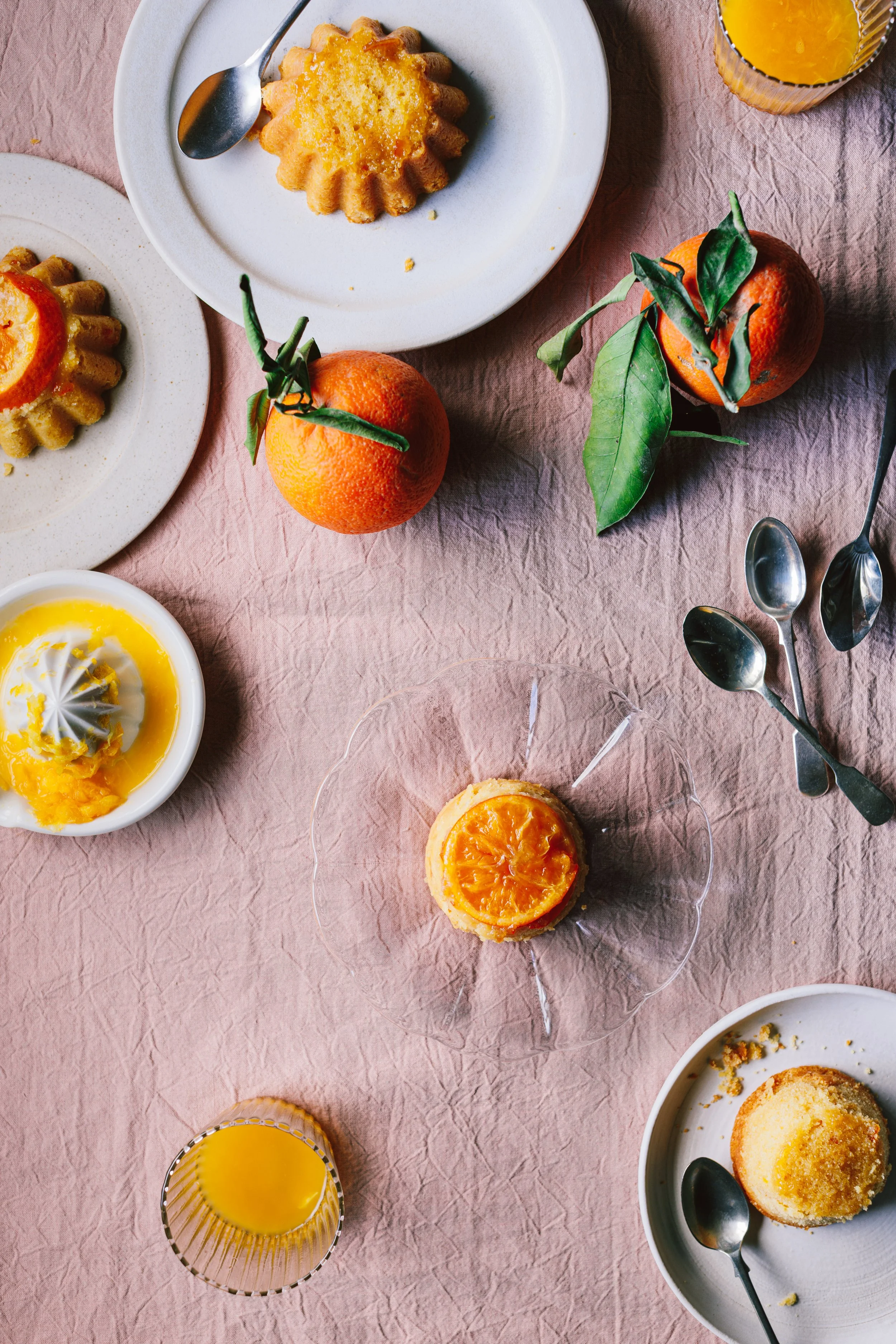
Styling details: The small touches that elevate content
Styling is where food photography becomes storytelling. The details surrounding the food help create emotion and context. A summer baking shoot might include:
Fresh seasonal fruit
Vintage cake stands
Linen napkins
Handwritten recipe cards
Natural wood surfaces
Beautiful ceramics
Fresh flowers or herbs
These details are not there simply to make an image look pretty. They help communicate a lifestyle and create a world around the product.
For brands, this is particularly important. A product is rarely just a product – it represents an experience.
A beautiful butter photograph is not only about the butter itself. It is about homemade baking, weekend rituals and sharing food with others.
A beautifully styled ingredient image transforms a simple product into a story.
Ingredient storytelling: Making the product the hero
The most effective brand photography does not hide the product, but instead celebrates it. Ingredient storytelling is about showing why something matters.
For a baking campaign, this might mean capturing:
Butter melting into warm pastry
Eggs being cracked into a mixing bowl
Chocolate being broken into chunks
Seasonal fruit being prepared
Flour dusting a work surface
These moments create desire because they show the quality and craftsmanship behind the final result.
The best commercial food content makes the audience understand the product before they even read the caption. Videography is great for this as it brings to life your product in a tangible, and real-life way.
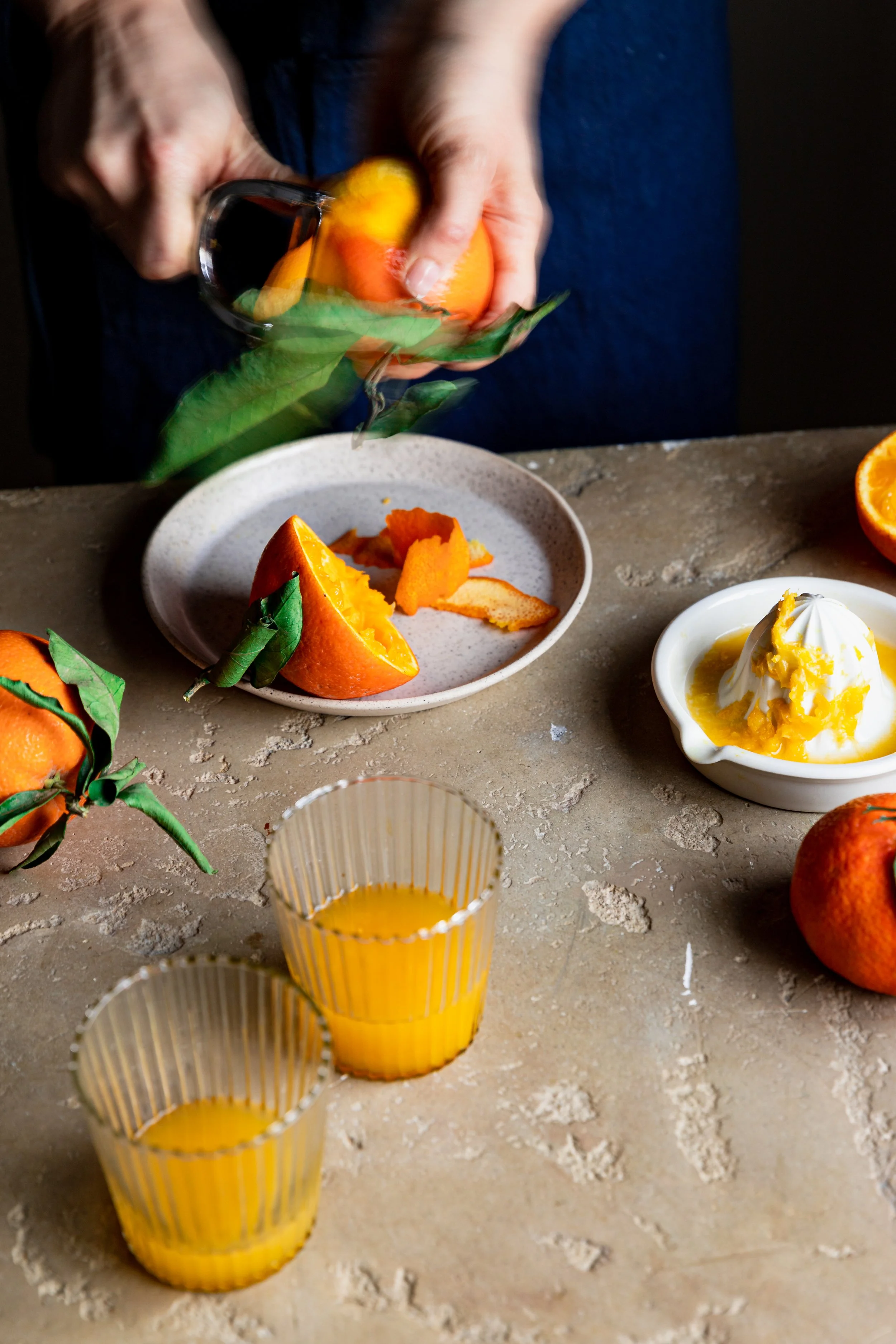
Why some food images feel luxurious
Luxury is often created through restraint.
It is not necessarily about expensive props or elaborate setups. It is about thoughtful choices.
Premium food photography usually has:
A clear creative direction
Every image feels like part of a wider story.
Intentional styling
Props, colours and textures all support the subject and support the brand identity.
A sense of authenticity
The food feels real, approachable and desirable.
Emotional connection
The image makes you imagine a moment, not just a meal.
Consistency
A strong visual identity allows audiences to instantly recognise a brand’s style.
The difference between a good food image and a memorable one is often the feeling it creates.
Creating food content that connects
For brands, beautiful photography and video are powerful tools for building emotional connections with audiences.
The most successful food campaigns do not simply show what a product looks like. They show how it fits into people’s lives.
A carefully styled image can communicate seasonality, quality, craftsmanship and the moments that bring people together.
That is the art of editorial food photography: creating content that is not only visually beautiful, but meaningful.
