
10 Ways to Get More from Your Next Food Photography Shoot
If you’re investing in professional food photography or videography, the goal shouldn’t just be to “get some nice assets.”
It should be to create a content library that works across your entire marketing ecosystem, whether that’s website, social media, advertising, packaging, email campaigns, and beyond.
Too often, brands treat a shoot as a one-off deliverable. The reality? The most successful food brands treat it as a strategic content investment.
Here are 10 ways to make your next shoot work significantly harder for your business or brand.
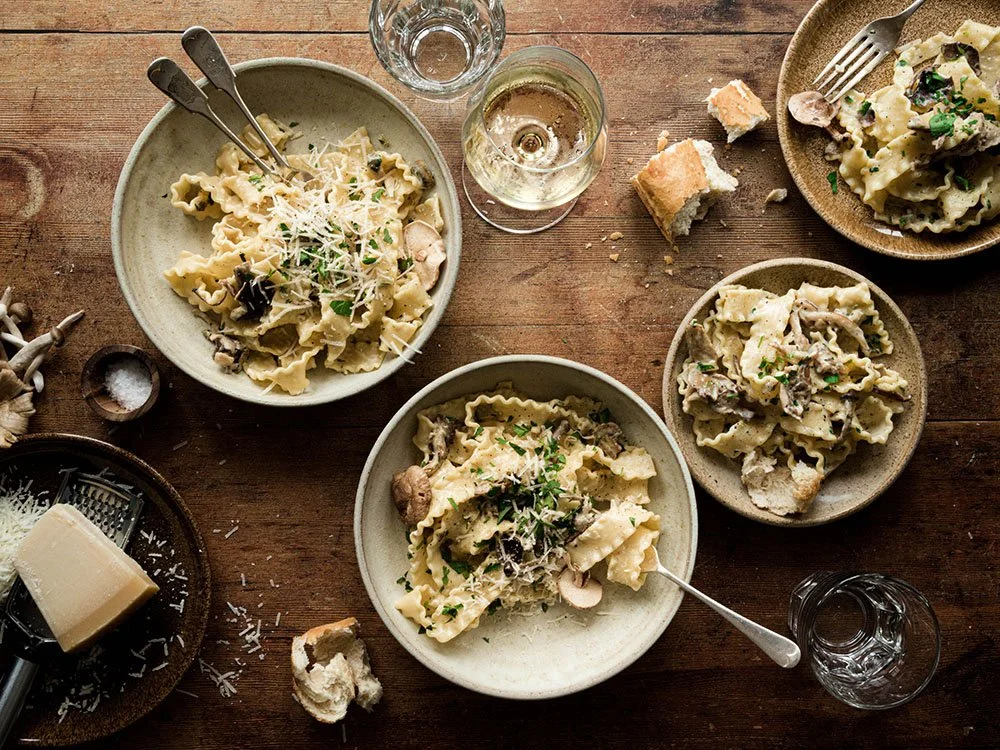
Start with your end use in mind
Before anything is shot, define where your content will actually live.
Ask:
Is this for your website?
Social media?
Paid advertising?
Packaging or print?
A product launch campaign?
Each of these requires a slightly different approach. When you define usage early, every decision from lighting, framing, styling, becomes more intentional and commercially effective.
2. Build a clear shot list (and then expand it)
A structured shot list is what separates an average shoot from a highly efficient one. I ensure I plan well in advance of shoots to make sure we’re both aligned on vision, look and feel. While I like to think of myself as an extension of your team, and the expert in ‘getting the shot’ so to speak, it’s always really helpful when clients have a clear idea of what they’re after.
Think about:
Hero product shots
Close-up detail shots
Lifestyle or usage imagery
Process or preparation shots
Packaging-focused images
Then expand it into variations:
Different angles
Different lighting setups
Seasonal props or styling changes
This is how one shoot turns into months of usable content.
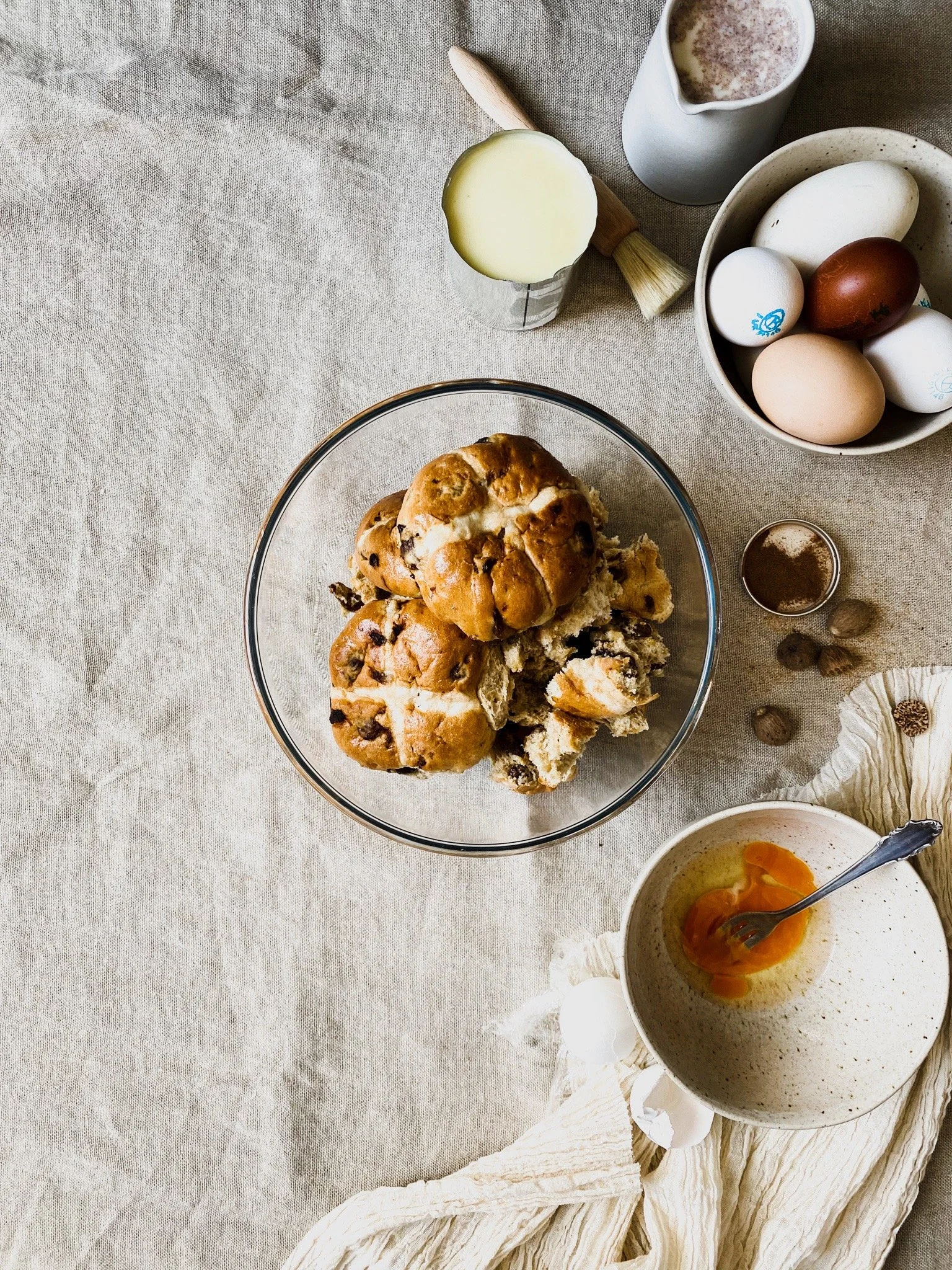
3. Develop a long-term strategy
Instead of asking “what images do we need?”, ask:
“What story are we telling with this shoot?”
A campaign approach allows you to create cohesion across your content, something that instantly elevates how professional your brand feels.
This is especially powerful for:
Product launches
Seasonal menus
Brand refreshes
Website relaunches
Working together on a long-term basis allows you to build a cohesive, consistent content strategy that feels true and authentic to your brand and makes everything feel more professional across the board.
4. Capture both stills and motion
Food content is no longer just static imagery.vShort-form video is now essential for:
Instagram Reels
TikTok
Paid ads
Pinterest video pins
Even simple clips like pouring, slicing, steam rising, close-up texture and macro shots can dramatically increase engagement and versatility of your content library.
5. Think beyond Instagram
While social media is important, your most valuable content often lives elsewhere:
Website homepage banners
Product detail pages
Online delivery platforms
Press kits
Amazon or retail listings
Printed menus or packaging
A good shoot accounts for all of these from the start in the initial brief.
6. Create consistency across your brand
Consistency builds trust.
That means:
Similar lighting style
Cohesive colour palette
Repeated framing choices
Unified editing approach
When your content feels consistent, your brand feels more established, even if you're a small brand or just trying to establish yourself.
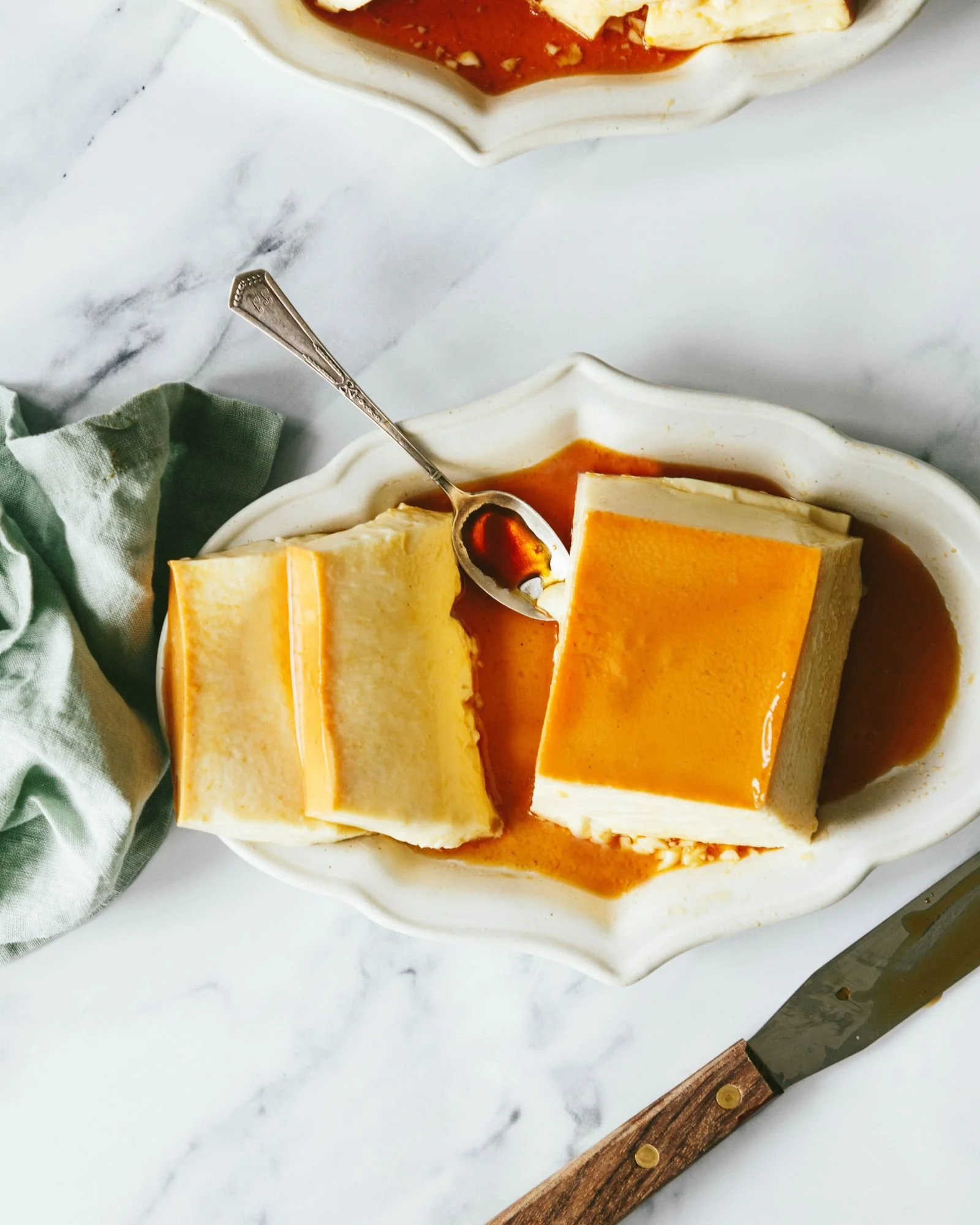
7. Get specific about your vision
While there should always be space for creative interpretation, the strongest results come from clarity. The more specific you are about your brand direction, the more effectively your photographer can translate that into visuals that feel aligned and intentional.
This starts with understanding where your product sits in the market and how you want it to be perceived. Are you positioned as premium and refined, or more accessible and lifestyle-led? What should your audience feel when they see your imagery: comfort, indulgence, simplicity, nostalgia, or something more elevated and aspirational?
It also means being clear on your brand guidelines, visual preferences, and non-negotiables. Sharing examples of imagery you like (and equally, what you don’t like) helps remove guesswork and ensures everyone is aligned before the shoot begins. The more context your photographer has, from colour palettes and styling direction to tone and mood. The more cohesive and commercially effective the final content will be.
Ultimately, clarity doesn’t restrict creativity, it sharpens it. When direction is clear, the shoot becomes less about decision-making on the day and more about execution, which leads to stronger, more consistent results across every asset created.
8. Consider seasonal adaptability
A strong shoot doesn’t always have to feel locked to one moment in time, unless you’re looking to tap into key calendar events or specific times of the year. We can totally create evergreen content by adjusting props, colour palettes, garnishes, general styling. This helps you create content that works across multiple seasons and campaigns, extending the lifespan of your investment.
9. Include “negative space” for marketing use
Not every image should be filled with detail. In fact, EaziGlide (a client of mine) always ask from the get-go for more ‘zoomed out’ images which leaves intentional space for:
Text overlays
Website banners
Advertisements
Email headers
These images are often the most commercially valuable, even though they look the simplest.
10. Work with someone who understands your business, not just the visuals
This is the most important point. Food photography isn’t just about making things look good. It’s about understanding:
How your customers buy
How your product is positioned
How your brand communicates visually
How content performs across platforms
The most effective shoots come from collaboration, not just execution.
